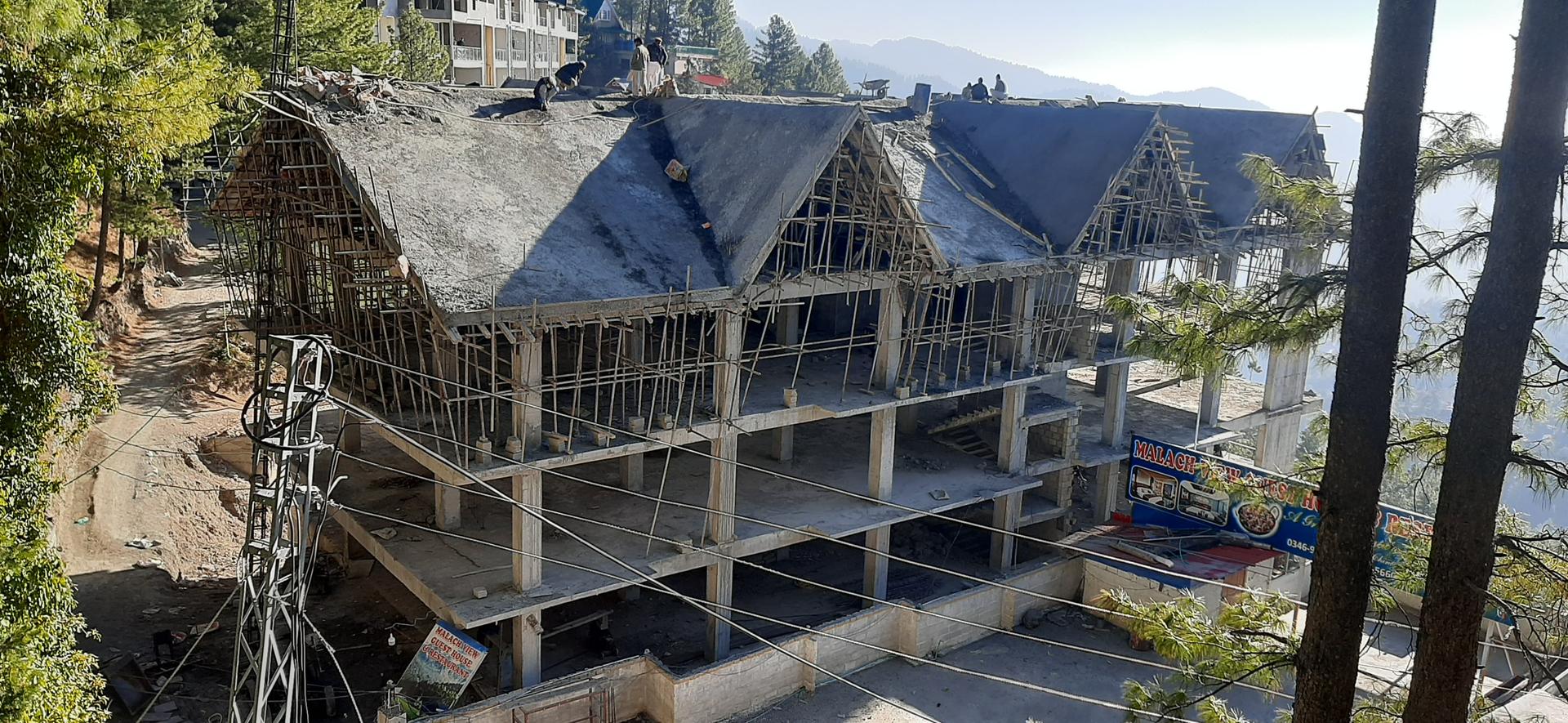
Construction Updates
Watch your luxury apartment near Abbottabad come to life in Nathiagali
Why Mountain Construction Is Different
Constructing a residential building in Nathiagali at 2,410 metres (7,910 feet) in the Galiyat range presents engineering challenges that do not exist in lowland cities like Islamabad or Lahore. The terrain is sloped, the soil is weathered and variable, seismic activity is a documented risk (Zone 2B per BCP SP-2007), and the climate subjects every material to freeze-thaw cycles, heavy monsoon rains, and snow loads. Standard construction practices used in the plains are insufficient here.
MYG Nathiagali's construction approach is specifically engineered for these conditions. Every decision—from the foundation type to the window glazing to the concrete mix design—accounts for the realities of building in the western Himalayas. Below, we document the methodology, materials, compliance standards, and quality control processes that define how this project is built.
Overall Progress
Our project is progressing on schedule with meticulous attention to quality.
Site Grading & Retaining Walls
Jan 2024
Mountain-slope excavation, soil testing, and RCC retaining wall construction on terraced site
Site Grading & Retaining Walls
Jan 2024
Mountain-slope excavation, soil testing, and RCC retaining wall construction on terraced site
Foundation & Pile Driving
Mar 2024
Deep pile foundations drilled into bedrock with reinforced concrete mat footings for seismic stability
Foundation & Pile Driving
Mar 2024
Deep pile foundations drilled into bedrock with reinforced concrete mat footings for seismic stability
RCC Frame & Slab Casting
Jun 2024
Earthquake-resistant reinforced concrete column-beam frame with M25 grade concrete and Fe500 TMT rebar
RCC Frame & Slab Casting
Jun 2024
Earthquake-resistant reinforced concrete column-beam frame with M25 grade concrete and Fe500 TMT rebar
Masonry & Exterior Envelope
Oct 2024
AAC block infill walls, external stone cladding, and weather-resistant facade treatment
Masonry & Exterior Envelope
Oct 2024
AAC block infill walls, external stone cladding, and weather-resistant facade treatment
MEP Rough-In & Interior Finishing
Feb 2025
Mechanical, electrical, and plumbing first-fix; floor tiling, plastering, and partition walls
MEP Rough-In & Interior Finishing
Feb 2025
Mechanical, electrical, and plumbing first-fix; floor tiling, plastering, and partition walls
Fixtures, Joinery & Fit-Out
Jun 2025
Double-glazed window installation, imported sanitary fittings, kitchen cabinetry, and interior paint
Fixtures, Joinery & Fit-Out
Jun 2025
Double-glazed window installation, imported sanitary fittings, kitchen cabinetry, and interior paint
Commissioning & Handover
Jun 2026
Lift testing, fire safety certification, utility commissioning, snagging, and final occupancy clearance
Commissioning & Handover
Jun 2026
Lift testing, fire safety certification, utility commissioning, snagging, and final occupancy clearance
Earthquake-Resistant Construction for Mountain Terrain
The Galiyat region, including Nathiagali, falls within Pakistan Seismic Zone 2B per the Building Code of Pakistan (BCP SP-2007). Our structural design accounts for the lateral forces and ground acceleration specific to this zone, ensuring long-term safety in a seismically active mountain environment.
RCC Frame Structure
The building employs a Reinforced Cement Concrete (RCC) column-and-beam frame system rather than load-bearing masonry. Columns are cast with M25 grade concrete (minimum 25 MPa compressive strength at 28 days) and reinforced with Fe500 grade TMT (Thermo-Mechanically Treated) steel rebar. This frame system allows controlled ductile behavior during seismic events, absorbing and dissipating energy rather than failing suddenly.
Deep Pile Foundations
Given the sloped terrain and variable soil bearing capacity typical of the Galiyat hills, the foundation system uses bored cast-in-situ piles drilled into underlying rock strata. These piles transfer structural loads past the weathered surface soil to competent bedrock. A reinforced concrete mat (raft) footing ties the pile caps together, distributing loads evenly and resisting differential settlement on the hillside.
Slope Stabilization & Retaining Walls
The terraced site required engineered RCC retaining walls with proper drainage weep holes and gravel backfill to manage hydrostatic pressure. The retaining structures are designed per active earth pressure calculations (Rankine method) to handle the hillside soil loads and prevent slope failure, which is a critical consideration for any construction in the Galiyat mountain region.
Seismic Detailing
All beam-column joints incorporate special confining reinforcement with closely spaced stirrups (at 75mm centers) as prescribed for Seismic Zone 2B ductile detailing. Lap splices are positioned away from potential plastic hinge zones. This detailing ensures the structure can withstand the lateral drift demands of a design-basis earthquake without collapse.
AAC Block Infill Walls
Non-structural partition and infill walls use Autoclaved Aerated Concrete (AAC) blocks instead of conventional fired clay bricks. AAC blocks offer roughly three times the thermal insulation of standard brick, reducing heat loss during Nathiagali's sub-zero winters. They are also significantly lighter, reducing dead load on the frame and improving seismic performance.
Weather-Adapted Construction Schedule
Concrete pouring and curing activities are scheduled around the Galiyat weather window (typically April through October). During winter months when Nathiagali temperatures frequently drop below freezing, wet-trade work is suspended to avoid compromised concrete hydration. Interior fit-out and finishing work continues through winter under enclosed conditions.
Materials Specified for Mountain Climate
Every material selection accounts for Nathiagali's elevation at approximately 2,410 metres (7,910 feet), where temperatures range from -5°C in January to 25°C in June, with annual rainfall exceeding 1,700mm.
Double-Glazed Windows
All windows feature double-glazed insulated glass units (IGUs) with a 12mm argon-filled gap between panes. The aluminium frames use a thermal break profile to prevent cold bridging. This configuration achieves a U-value of approximately 1.4 W/m²K, significantly reducing heat loss compared to single-glazed windows (U-value ~5.8 W/m²K) and keeping interior temperatures stable during harsh Galiyat winters.
Imported Sanitary & Bath Fittings
Bathrooms are fitted with imported ceramic sanitary ware and chrome-finish brass fittings rated for hard water conditions common in the Galiyat region. All hot and cold water lines use CPVC (Chlorinated Polyvinyl Chloride) piping rated to 93°C, which resists the thermal expansion and contraction cycles from Nathiagali's wide temperature swings. Geysers and instant water heaters are pre-plumbed in each unit.
Premium Floor & Wall Finishes
Living areas use rectified porcelain tiles (600x600mm) with a water absorption rate below 0.5%, making them resistant to moisture damage in the humid mountain climate. Bathrooms and kitchens receive anti-skid ceramic tiles. Internal walls are finished with weather-grade acrylic emulsion paint over two coats of wall putty, while external walls receive textured weather-shield exterior paint rated for UV and rain exposure.
Waterproofing & Damp-Proofing
Given Nathiagali's heavy monsoon rainfall and snowmelt, multiple waterproofing layers are applied. The basement receives a bituminous membrane with protective screed. The roof uses a torch-applied APP (Atactic Polypropylene) modified bitumen membrane under thermal insulation and protective tiles. All bathrooms have integral cementitious waterproofing with a minimum 150mm upturn on walls.
Natural Stone Cladding
The building's exterior features locally sourced natural stone cladding characteristic of Galiyat mountain architecture. The stone is mechanically anchored to the RCC frame using stainless steel brackets (not adhesive-bonded) to resist wind loads and seismic movement. This technique ensures long-term durability while giving the building an aesthetic that complements the surrounding Nathiagali landscape.
Doors & Joinery
Main entrance doors are engineered solid-core flush doors with laminate finish, sized to 7 feet height. Internal doors use honeycomb-core construction for lighter weight. All door frames are made from seasoned Deodar or Kail wood, both locally abundant and naturally resistant to insect damage and moisture in the mountain climate. Wardrobes and kitchen cabinets use marine-grade plywood with laminate faces.
Engineered for Nathiagali's Mountain Climate
Nathiagali experiences temperature extremes from -5°C in January to 25°C in June, with heavy snowfall in winter and monsoon rains from July to September. Every building envelope and MEP system decision is driven by these conditions.
Wall Insulation System
External walls use a composite construction: the RCC frame with AAC block infill (which itself provides approximately 3x the thermal resistance of conventional brick) is supplemented with 50mm expanded polystyrene (EPS) insulation boards on the inner face of external walls, covered with plasterboard. This brings the overall wall U-value to approximately 0.45 W/m²K, reducing heating energy demand by an estimated 40-50% compared to an uninsulated masonry wall.
Roof Thermal Insulation
The roof assembly consists of the RCC slab, a vapor barrier, 75mm extruded polystyrene (XPS) rigid insulation boards, the APP modified bitumen waterproofing membrane, and protective screed with tiles on top. XPS was selected over EPS for the roof application because of its higher compressive strength and near-zero water absorption, which is critical given the roof's direct exposure to rain and snowmelt. The insulated roof prevents the significant heat loss that occurs through uninsulated concrete slabs in mountain buildings.
Cold Bridging Prevention
Cold bridging—where heat escapes through structural elements like concrete columns that penetrate the insulation layer—is a common deficiency in mountain construction. At MYG Nathiagali, insulation wraps continuously around column faces at external walls, and window frames use thermal break aluminium profiles with a polyamide strip separating the inner and outer frame sections. This detailing prevents localized condensation and mold growth that cold bridges typically cause in cold climates.
Heating System Provisions
Each apartment is pre-provisioned for heating with gas supply points (where LPG or natural gas is available) and dedicated 15-amp electrical circuits for room heaters or wall-mounted convector units. Flue outlets are built into external walls for gas heater exhaust. The combination of the insulated building envelope and double-glazed windows means the heating load is substantially reduced compared to typical uninsulated mountain buildings, lowering operating costs for residents through the 4-5 month Galiyat winter.
Freeze-Thaw Resistant Concrete
Exposed concrete elements (retaining walls, external stairs, parking slabs) use an air-entrained concrete mix with 4-6% entrained air content. The microscopic air bubbles provide relief space for water as it expands during freezing, preventing the surface spalling and cracking that affects non-air-entrained concrete in Nathiagali's repeated freeze-thaw cycles (typically 80-100 cycles per winter season). Internal structural concrete uses standard non-air-entrained M25 mix, as it is protected from direct weather exposure.
Pipe Frost Protection
All exposed water supply pipes (on the roof, in unheated utility shafts, and along external walls) are insulated with closed-cell nitrile rubber pipe insulation to prevent freezing. Drain pipes are routed internally where possible, and any external drain runs are sized larger than minimum code requirements to allow partial ice formation without complete blockage. Overhead tank supply lines include drain valves so the system can be winterized if a unit is unoccupied during peak winter months.
Built to Pakistan Building Code Standards
The MYG Nathiagali project is designed and constructed in compliance with applicable sections of the Building Code of Pakistan (BCP) and relevant international reference standards.
BCP SP-2007 (Seismic Provisions)
Structural design follows the seismic provisions of the Building Code of Pakistan (Seismic Provisions 2007), which classifies the Galiyat area as Seismic Zone 2B with a zone factor of 0.2g. The response spectrum analysis determines the lateral force demands on each floor, and the structure is detailed for a ductile moment-resisting frame as required for this zone classification.
ACI 318 (Concrete Design)
Reinforced concrete elements are designed per ACI 318 (American Concrete Institute) provisions, which the BCP references for structural concrete. Mix designs are tested at a certified laboratory. Concrete cube tests are conducted at 7-day and 28-day intervals to verify that compressive strength meets the specified M25 grade (25 MPa). Steel rebar mill certificates confirm Fe500 grade compliance.
Pakistan Electrical Code & WAPDA Standards
Electrical installations comply with the Pakistan Electrical Code, with wiring in heavy-gauge PVC conduit embedded in walls. Each apartment has a separate metering point and a distribution board with MCBs (Miniature Circuit Breakers) and an RCCB (Residual Current Circuit Breaker) for earth leakage protection. Earthing is provided through a dedicated copper earth pit system.
Fire Safety Provisions
The building incorporates fire safety measures including fire-rated exit doors, illuminated emergency signage, and fire extinguisher stations on each floor. Staircases are designed as protected escape routes with fire-rated enclosures. The structural concrete cover to reinforcement provides a minimum 2-hour fire resistance rating for columns and beams as required by the BCP fire safety chapter.
Plumbing & Sanitation Standards
The plumbing system is designed per the Uniform Plumbing Code (UPC) referenced by the BCP. Hot and cold water distribution uses CPVC piping (ASTM D2846 rated) with separate risers and individual shut-off valves for each apartment. The drainage system uses SWR (Soil, Waste, and Rainwater) PVC pipes with proper venting to prevent trap siphonage. All pipe penetrations through the RCC slab are sleeved and sealed to maintain the waterproofing integrity of each floor.
Environmental & Site NOC Compliance
The project holds the required No Objection Certificate (NOC) from the relevant district authorities. Tree removal during site clearing was minimized, and compensatory planting with native pine and oak species is part of the landscaping plan. The septic tank and soak pit system is designed with adequate setback from the nearest water source to prevent groundwater contamination, following the guidelines applicable to hillside development in Khyber Pakhtunkhwa.
Site Infrastructure & Utilities
Mountain living requires robust infrastructure that accounts for power outages, water scarcity during dry months, and the challenges of remote terrain. Our infrastructure design addresses each of these realities.
Backup Power System
A diesel generator set provides backup power during the frequent grid outages common in the Galiyat region. An automatic transfer switch (ATS) activates the generator within seconds of a mains failure, covering common-area lighting, lifts, and water pumps. Individual apartments have pre-wired UPS points for critical loads.
Rainwater Harvesting
With Nathiagali receiving over 1,700mm of annual rainfall, the building harvests rooftop runoff through PVC downpipes into underground storage tanks. This collected water supplements the mains supply for landscaping and non-potable uses. A separate bore well provides backup potable water, with overhead tanks ensuring gravity-fed pressure to all floors.
Underground Utilities
All electrical feeder cables, water supply mains, and sewage lines are routed underground to prevent damage from heavy snowfall and falling tree branches. The sewage system uses a septic tank with a soak pit arrangement, designed for the site's soil percolation rate, as Nathiagali does not have a municipal sewer network.
Passenger Lift
The building is served by a machine-room-less (MRL) passenger lift with a capacity of 6 persons (408 kg). The lift shaft is built into the RCC frame structure with independent guide rails and a pit depth compliant with manufacturer specifications. An automatic rescue device (ARD) allows safe descent to the nearest floor during power failures.
Boundary & Security
The site perimeter has a stone masonry boundary wall with a gated entry. Dedicated parking spaces are provided at the ground and basement levels. Exterior lighting covers the entry, parking, and common pathways. Provision for CCTV conduit is included so residents can install a security camera system after handover.
Dedicated Restaurant Floor
A full dedicated floor is allocated for an on-site restaurant, providing residents and guests with convenient dining without leaving the building. The restaurant level includes commercial-grade kitchen provisions, ventilation ducting, grease trap plumbing, and a separate service entrance to keep operations independent from the residential floors.
Landscaping & Access Road
The access road from the main Nathiagali road is being graded and paved with an asphalt surface suitable for mountain-road gradients. Retaining walls along the access road prevent landslide encroachment. Site landscaping uses native Galiyat plant species (including pine and oak saplings) that are adapted to the local climate and require minimal maintenance.
Systematic Quality Control Process
Construction quality is monitored through a multi-stage inspection process. Each critical phase—from rebar placement and concrete pouring to waterproofing and MEP installation—requires sign-off by the site engineer before work proceeds to the next stage.
Concrete quality is verified through cube testing at a certified materials testing laboratory. A minimum of three concrete cubes are cast from each batch and tested at 7-day and 28-day intervals to confirm compressive strength meets the M25 grade specification. Results are documented and retained for the project record.
Pre-Pour Inspection
Rebar diameter, spacing, cover, and lap lengths are checked against structural drawings before any concrete pour is approved.
Concrete Curing Protocol
All freshly poured concrete is water-cured for a minimum of 7 days using wet hessian cloth covering, critical for proper hydration in Nathiagali's low-humidity conditions.
Waterproofing Flood Test
Each bathroom and the roof receive a 48-hour ponding (flood) test after waterproofing application to verify zero leakage before floor finishes are laid.
Plumbing Pressure Test
All water supply lines are pressure-tested at 1.5x working pressure for 30 minutes before concealment in walls to identify any joint leaks.
Pre-Handover Snagging
A detailed snagging inspection covering all finishes, fixtures, doors, windows, and MEP systems is conducted before each unit is cleared for handover to the owner.
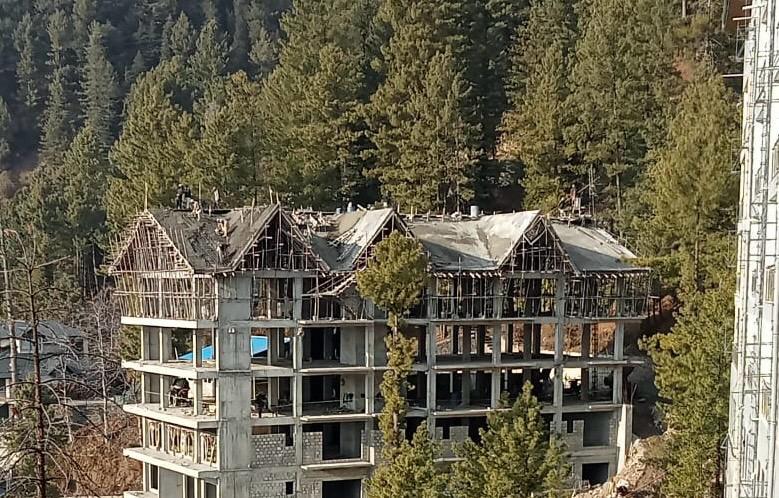
Construction Gallery
Photographic documentation of each construction phase at the MYG Nathiagali project site, from foundation excavation through structural frame erection, masonry infill, and interior finishing work.
Grey Structure Completed
Full RCC frame and masonry work finished
UPVC Windows Installed
Double glazed UPVC windows fitted throughout
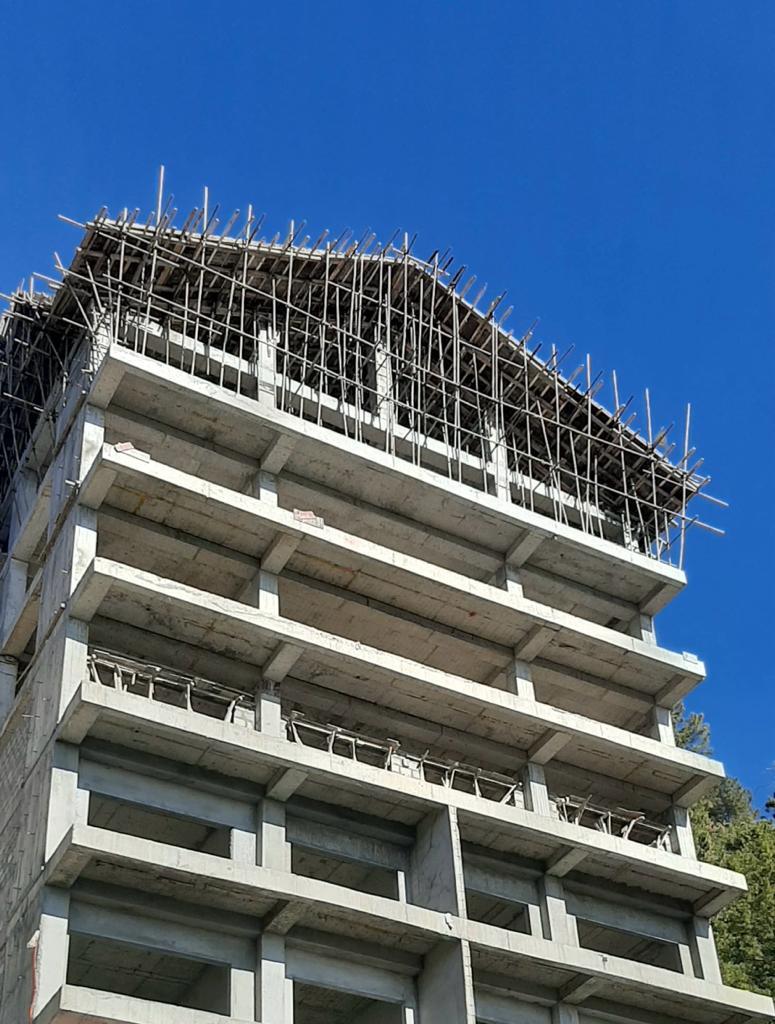
Tiles Installed
Premium AIVE tiles laid in all units
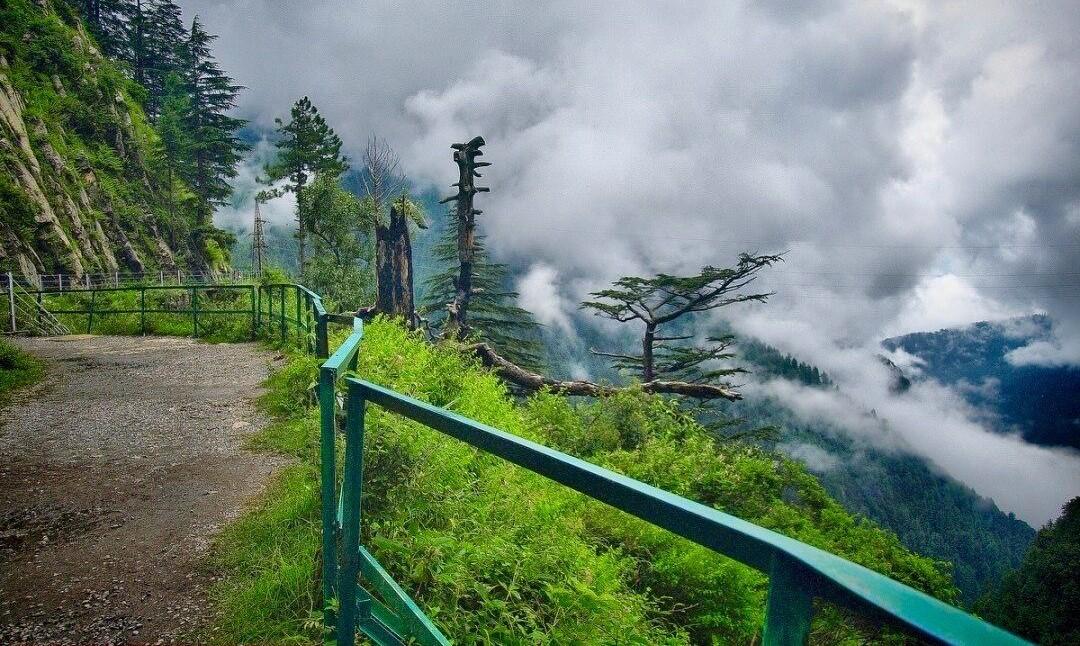
Elevator Installed
1 high-speed elevator operational
Key Technical Specifications
A summary of the principal structural and material specifications used in the MYG Nathiagali project.
See the Construction Firsthand
We invite prospective buyers to visit the MYG Nathiagali project site in person. Walk the structure, inspect the materials, meet the site engineer, and verify the construction quality yourself. Contact us to arrange a guided site visit at a time that suits you.